REVIEW · KOTOR
Olive oil farm to fork experience & short walking tour of Kotor
Book on Viator →Operated by Kotor Private Tours · Bookable on Viator
Olives grow older than your travel plans. This private Kotor experience connects you to the Lustica region’s olive culture, starting with a short walk in the Old Town and then heading out to a family estate where you’ll see old-school oil making and the modern process. I especially like that it’s farm-to-fork in the real sense: you learn, taste, then eat.
I like the hands-on structure. You get to meet the family behind the oil business and you’re guided through both the 150-year-old mill and the newer production method. I also like the small-group setup—up to 6 people—so the conversation during the tasting and lunch doesn’t feel rushed.
One thing to consider: it’s a 5-hour block with time spent both on walking in Kotor and driving out into the countryside. If you’re hoping for long, free roaming in the Old Town, plan this as one focused highlight, not a flexible sightseeing day.
In This Review
- Key highlights to look forward to
- A Short Kotor Old Town Walk Before the Countryside
- Inside a 200-Year Estate in the Lustica Olive Country
- 150-Year-Old Mill to Modern Anaerobic Press
- Olive Oil Tasting: Learning to Judge Quality
- Homemade Lunch and Local Drinks with the Family
- Scenic Views and the Harbor Stop
- Price, Group Size, and Time: Is It Worth 5 Hours?
- What to Expect Day-of (and how to plan your day)
- Should You Book This Olive Oil and Kotor Tour?
- FAQ
- What is the duration of the Olive Oil farm to fork experience and Kotor walking tour?
- Where does the tour start and end?
- Is pickup offered?
- How many people are in a group?
- Is the tour available in English?
- What happens at the olive farm?
- Is there lunch included?
- Are drinks included?
- Can service animals participate, and can most people join?
Key highlights to look forward to
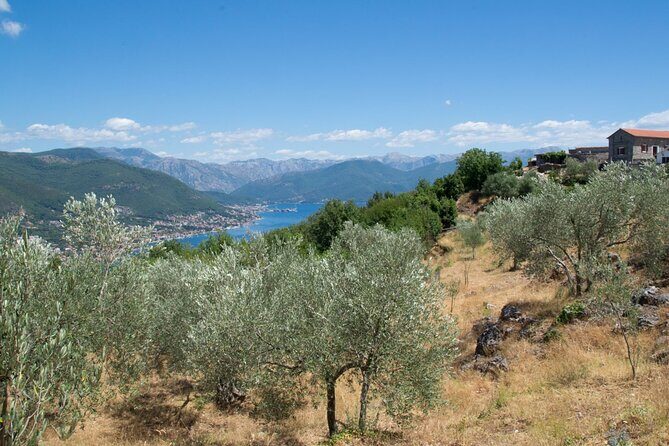
- Nearly 1,000 olive trees on a 200-year family estate
- 150-year-old mill, then a modern anaerobic olive press
- Short guided walk in Kotor Old Town before you head out
- Olive oil tasting designed to help you judge quality
- Homemade meal with local cured meats, cheese, salad, and apple pie
- Pickup in Kotor Old Town or port with a name sign, then back again
A Short Kotor Old Town Walk Before the Countryside
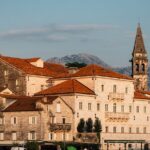
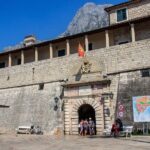
The day starts in central Kotor, and it’s set up so you don’t waste time figuring out the town on your own. You’ll meet your guide at Kotor Old Town or the port area. If you’re picked up in the Old Town or at the port, you’ll see your guide holding a sign with your name, which is a small detail, but it really helps when you’re arriving in a busy place.
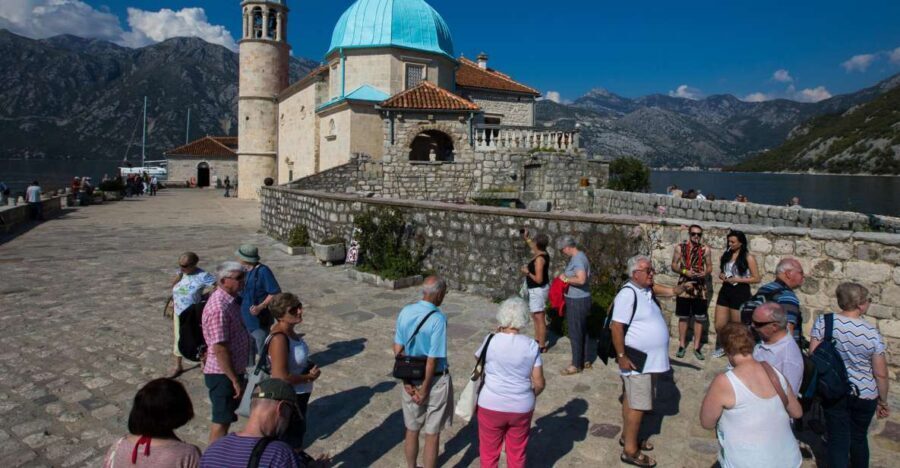
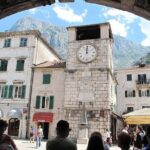
A short walking tour in Kotor Old Town adds context before you leave for the Lustica region. In the past, I’ve found olive experiences go better when you understand what you’re standing on. Kotor’s old streets help you get that sense of how regional traditions shape everyday life, from food habits to the local pace.
From the review details, Daniel handled parts of the Kotor story, while Liset is specifically called out for making the city walk fun and clear. Expect this section to be about getting oriented fast: key sights, a sense of how the city fits together, and a smooth transition to the countryside.
You can also read our reviews of more walking tours in Kotor
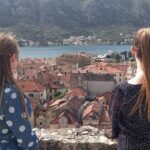
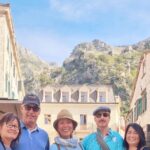
Inside a 200-Year Estate in the Lustica Olive Country
Once you leave Kotor, the focus shifts hard toward the Lustica region—an area known for producing olives and olive oil for more than 2,000 years. That’s not just a “fun fact.” It frames why this isn’t a quick tasting and out. You’re spending time in the setting where the crop is grown, cared for, and processed.
At the farm, you meet the family and tour an estate they’ve owned for about 200 years. The scale is part of the story: you’ll walk among nearly 1,000 olive trees, and many are centuries old. This is one of those experiences where the age of things makes the food feel more real. You stop thinking of olive oil as a product and start thinking of it as something made through long routines—planting, pruning, harvest timing, and careful processing.
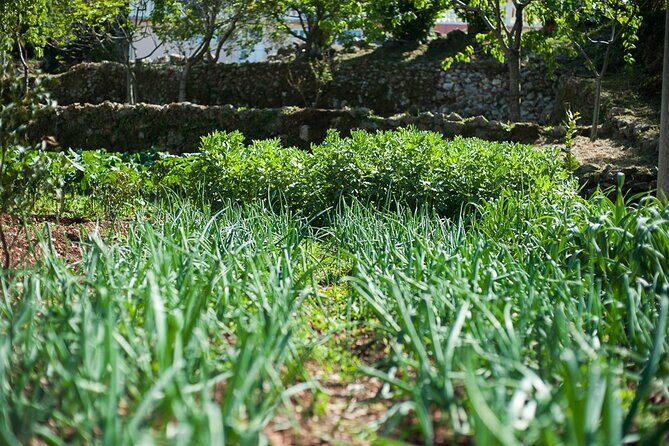
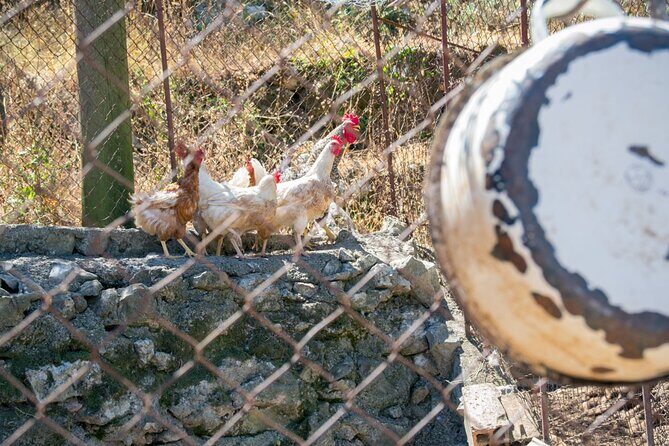
You’ll also learn that the estate isn’t only olive trees. The family grows vegetables and keeps animals on-site. That matters for your lunch too, since the food you taste connects back to the same property where the olives come from.
One name to note: Ilija is mentioned as the man behind the state and oil business, and the tone is that you’re not just being shown steps—you’re getting an honest conversation about the work and life in this area. That kind of talk is often what makes a food tour feel human instead of scripted.
150-Year-Old Mill to Modern Anaerobic Press
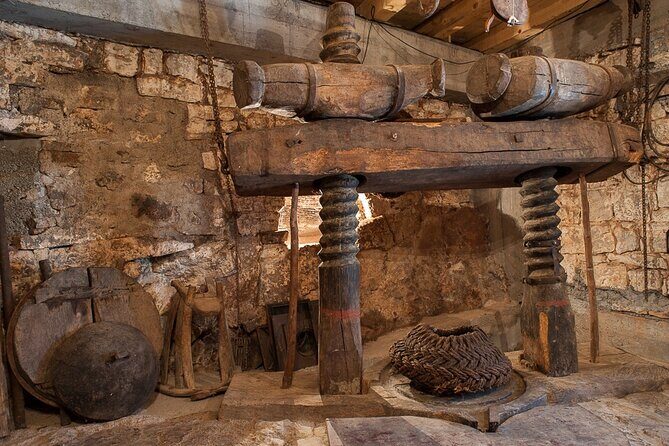
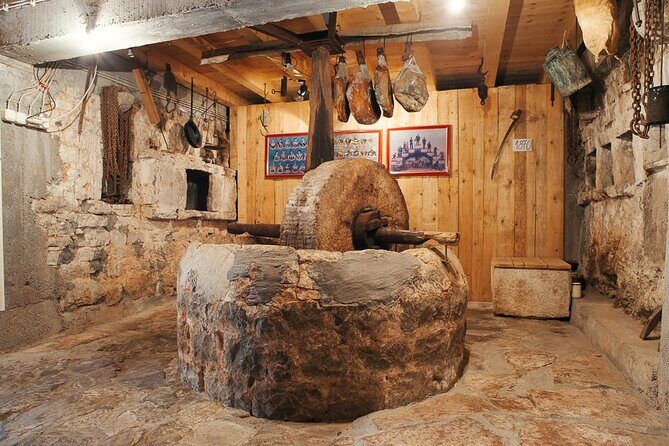
This is the core “wow” part, because you’re shown two ways of making olive oil. First you’ll see the old method: an authentic 150-year-old mill. The point isn’t to romanticize it. It’s to show you what production looked like before modern machinery took over, and how much labor and know-how went into getting quality oil from the olives.
Then you move to the newer system, including a modern olive press using anaerobic production. If you’ve never heard that term before, don’t worry. What you want from this visit is the practical takeaway: the newer method helped change the family’s lifestyle and how they manage production. In other words, you’ll connect technology to daily life, not just hear technical jargon.
A useful way to think about this segment: it’s the bridge between tradition and consistency. The old mill is where you see the heritage. The modern press is where you understand why quality can be protected more reliably from day to day—especially from the moment olives are processed onward.
Olive Oil Tasting: Learning to Judge Quality
After you learn the process, you’ll get an olive oil tasting. This part is worth your attention because tasting without context can feel random—just a set of small samples.
Here, the tasting is tied to what you just saw: how olives are processed, how production methods can affect the final oil, and how to notice nuances. The guide’s job is to help you discern quality, not just to say this one is better. So you’ll likely be encouraged to pay attention to sensory cues you can actually repeat later when you shop.
This is also where the conversation with Ilija pays off. When you hear how the family thinks about their oil business and what they consider important, you start tasting with purpose. You stop treating the oil like a generic cooking ingredient and start treating it like a product with personality.
If you’re the type who likes to bring home more than souvenirs, this tasting gives you the vocabulary and habit of mind to buy better oil later. And yes, you might leave tempted to grab a bottle—this is one of the natural outcomes of learning how quality is made.
Homemade Lunch and Local Drinks with the Family

The food at this farm-to-fork stop is not an afterthought. It’s built into the experience as a reward for the learning, plus a chance to understand how the oil fits into everyday cooking.
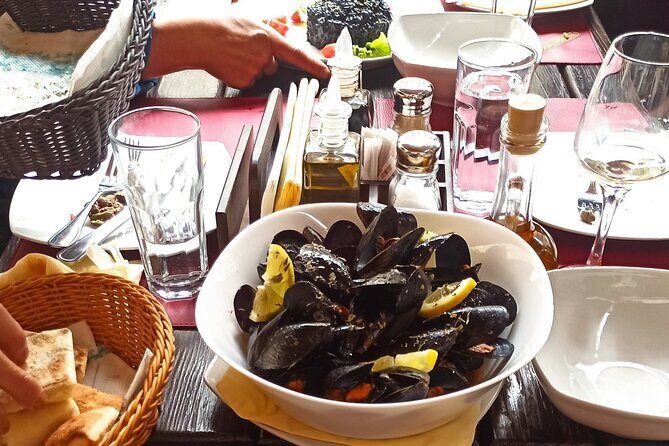
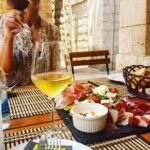
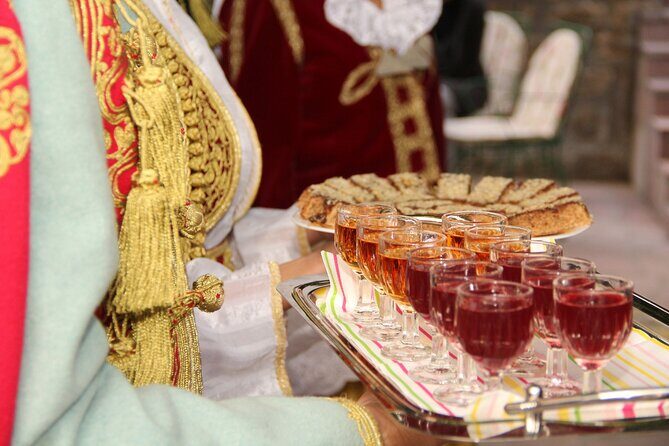
You’ll start with a welcome drink. The sample menu lists homemade cherry or grape brandy. Then you’ll move through a spread that includes organic olive oil and bread, followed by tasting bites like cheese, prosciutto, and olives.
After that, the meal expands into a full family-style lineup. Included items in the menu and descriptions include smoked ham, bacon, sausages, homemade cheese, salad, and apple pie. It’s the kind of lunch where you’ll understand why olive oil matters beyond flavor: it ties the cured meats, cheese, and simple plates together with a local rhythm.
The reviews mention the snack and homemade dishes as a highlight, often paired with a view. That combination is one of the biggest reasons this isn’t just a food event. You’re eating while the countryside is still in front of you, which makes the flavors feel part of the day rather than something squeezed in between transfers.
If you’re trying to avoid overly touristy meals where everything tastes the same, this is the opposite approach. It’s homemade, property-based, and paced like a family table.
A few more Kotor tours and experiences worth a look
Scenic Views and the Harbor Stop
Not every countryside meal comes with a sense of place. Here, you also get scenery time.
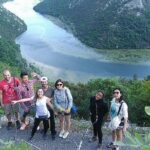
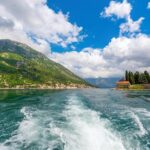
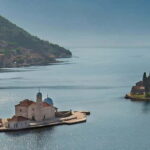
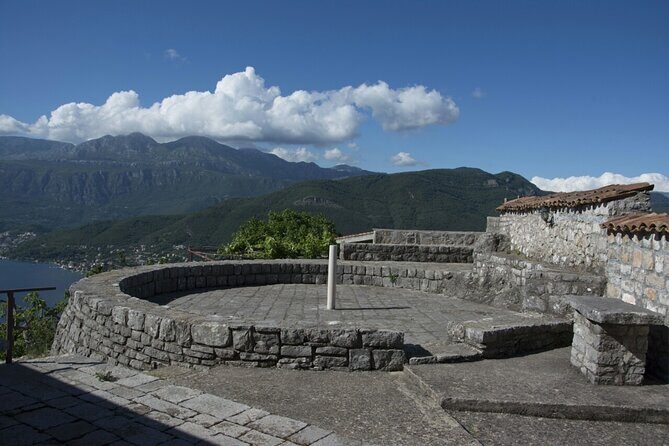
Part of the experience includes a rest period where you take in the view and enjoy the food and drink. Then Daniel is noted for driving the group to a great viewpoint out of the way for a look over the harbor. This isn’t just for photos. A good view at the right moment helps you file the day in your memory as more than a lunch and a tasting.
Practically, this section also gives you a breather after the farm walk. Even if you’re comfortable walking, being able to sit and recover for a bit keeps the whole day from feeling like constant effort.
Price, Group Size, and Time: Is It Worth 5 Hours?
The price is $863.54 per group, with a group size of up to 6 people, and the total duration is about 5 hours. That pricing can feel high at first glance, especially if you compare it to standard group tours. But private, farm-based experiences are expensive for a reason: you’re paying for transportation, time, and a meal that’s not coming from a mass-market supplier.
Here’s the value math. If you book with the group full (6 people), the cost works out to roughly $144 per person. If you book with fewer than 6, it’s higher per person. So the best value scenario is when you travel with friends or you can round up a small group.
The other value piece is what’s included. You’re not just paying for a drive plus a tasting. You get:
- a guided Old Town walk
- a guided farm visit (old mill and modern press)
- an olive oil tasting
- a homemade lunch with local cured meats, cheese, and desserts
- scenic viewpoint time
If you’re traveling with people who care about food, culture, and learning what goes into what you eat, the price usually starts to make sense quickly. If your priority is high-speed sightseeing and you don’t care about the oil details, you might find a different type of tour better fits your goals.
What to Expect Day-of (and how to plan your day)
Because the tour runs during set hours—9:00 AM to 2:00 PM—you’ll want to plan the rest of your sightseeing around it. The timing also means you’ll get the day’s best use of daylight: early in the day for the walk, later for the farm and lunch.
Wear shoes you can walk in on uneven ground. The experience includes walking among olive trees and inside/around farm areas. Also, bring a light layer. Coastal air in Montenegro can shift, and you’ll be outside for parts of the day even when you’re taking a break.
If you’re hungry, you’ll be. This tour is built around eating: bread and cheese at tasting time, then a larger homemade meal. I’d treat it as the main meal event of your day, not something you add snacks around.
And one more practical note: this is a private tour, so it’s only your group. That’s great for questions, pacing, and adjusting expectations if someone in your party needs a slower moment.
Should You Book This Olive Oil and Kotor Tour?
Book it if you want a day that connects food to place. This isn’t an olive oil lecture in a classroom and it isn’t just a meal with a pretty drive. You see the old 150-year-old mill, then the modern anaerobic press, and you eat what the family makes and serves.
It’s also a great fit if you’re traveling with a small group and want personal attention. With up to 6 people and guides like Daniel and Liset mentioned for guiding and storytelling, you’re set up for real conversation, not background chatter.
Skip it if your ideal day is mostly long free time in Kotor or you’re not interested in olive oil tasting and the production process. For you, Kotor alone might be enough, or you might prefer a lighter, shorter sightseeing plan.
If you want one strong food-and-culture highlight in Kotor, this is the kind of experience that gives you something to remember for a long time: the taste, the story, and the view from the lunch table.
FAQ
What is the duration of the Olive Oil farm to fork experience and Kotor walking tour?
The tour lasts about 5 hours.
Where does the tour start and end?
It starts in Kotor, Montenegro, and ends back at the meeting point.
Is pickup offered?
Yes. If you meet in Kotor Old Town or Kotor port, the guide will be holding a sign with your name.
How many people are in a group?
It’s a private tour for your group only, with up to 6 people.
Is the tour available in English?
Yes, the experience is offered in English.
What happens at the olive farm?
You’ll meet the family, tour their estate, see nearly 1,000 olive trees, learn about old and modern olive oil production (including a 150-year-old mill and a modern olive press using anaerobic production), and then do an olive oil tasting.
Is there lunch included?
Yes. The family shares homemade food, including items from the sample menu such as olive oil and bread, cheese, prosciutto, olives, and a meal with smoked ham, bacon, sausages, salad, and apple pie.
Are drinks included?
Yes. A welcome drink is included, listed as homemade cherry or grape brandy, along with wine mentioned with the food.
Can service animals participate, and can most people join?
Service animals are allowed, and most people can participate.