REVIEW · KOTOR
Private Kotor Walking Tour – Rick Steves Recommended
Book on Viator →Operated by Miro & Sons Montenegro Tours · Bookable on Viator
Medieval streets, and a story behind every turn. I love the private pace through Kotor’s walled Old Town, and I also like that the tour includes the Maritime Museum entrance so the sea story is more than just talk. It’s a tight loop that starts at Sea Gate and guides you to the Main Gate highlights like the Square of Arms and the Cathedral of St. Tryphon.
One catch: this is a walking tour on uneven, cobbled streets, so you’ll want good shoes and a little patience for slow footing, especially if it’s hot or rainy.
In This Review
- Key things I’d plan around before you go
- Kotor’s walled Old Town: the shortcut to a real sense of place
- Sea Gate to Main Gate: where to meet (and how not to waste time)
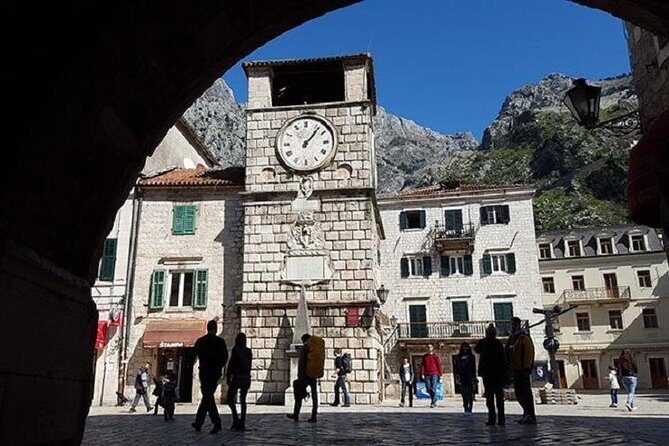
- Square of Arms: where the city shows off its power
- St. Tryphon and the church stops: 12th-century to living traditions
- The Maritime Museum: the sea story you can actually use
- How the tour runs: private group, real-time flexibility, smart pace
- Included vs. not included: what you’re really paying for
- Who this private Kotor walk is best for
- Quick tips to make your walk smoother
- Should you book the Private Kotor Walking Tour?
Key things I’d plan around before you go
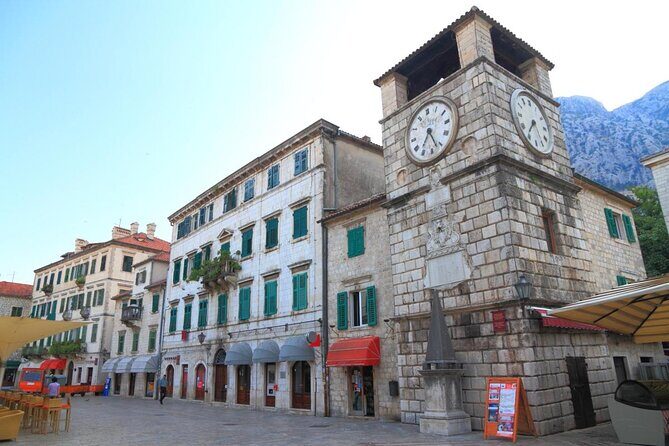
- UNESCO Old Town route: Main Gate sights like the Square of Arms, St. Tryphon, and key church stops
- Maritime Museum entrance included: you get the sea-and-trade context without paying extra
- Local guide energy: names like Djuka, Ivan, Rajan, Nikola, Bruna, and Jelena come up often for a reason
- Short, efficient timing: about 1 hour 30 minutes is ideal for a first look before dinner or a hike
- Sea Gate meeting-point tip matters: it’s not the same as the main exit some people expect
- Private means your group only: you can ask questions and move at a comfortable speed
Kotor’s walled Old Town: the shortcut to a real sense of place
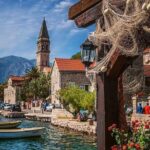
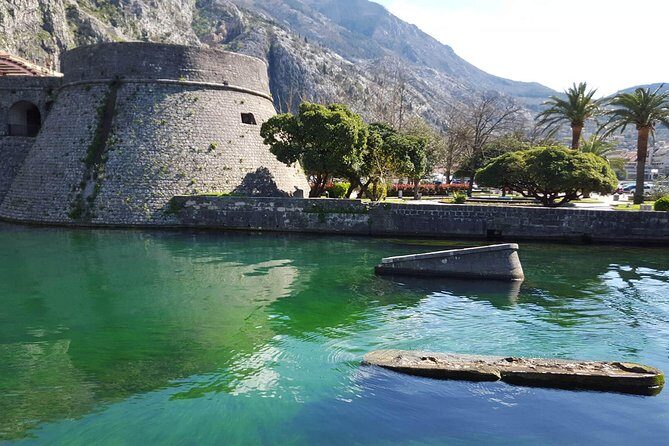
Kotor Old Town is the kind of place that makes you slow down without trying. The medieval streets inside the walls feel compact, but the stories keep stacking: aristocratic homes around the squares, religious landmarks, and the sea connection that shaped everything from trade to daily life.
The UNESCO factor is real here, but what you’ll actually enjoy is the way the tour threads it together. You won’t just see postcard spots. You’ll connect them, which makes it easier to keep your bearings once you’re on your own.
I also like that the route is designed to leave you oriented rather than exhausted. It’s perfect if you’re doing Kotor as a port stop or you want a calm first day in town.
You can also read our reviews of more walking tours in Kotor



Sea Gate to Main Gate: where to meet (and how not to waste time)

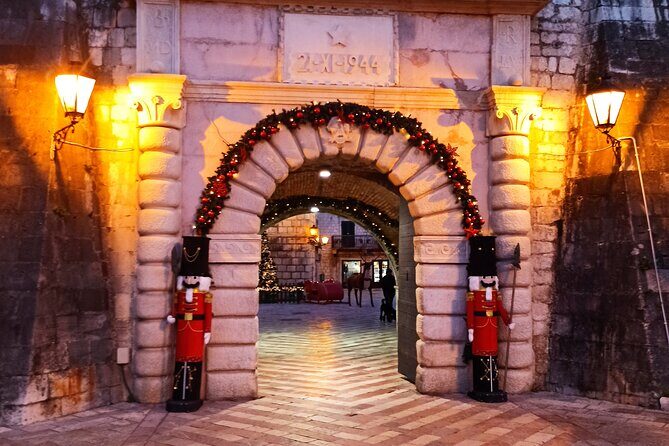
You meet at Sea Gate (Sea Gate CQF9+VVQ, Kotor). This matters because one common confusion is expecting Sea Gate to be the same as the main gate area people picture when they hear gate.
A practical tip that can save you stress: Sea Gate is a gate in the town wall a short distance from the main exit you might assume, and there’s an underpass involved when you cross a busy road. If you’re arriving from a cruise terminal by foot, take a minute to confirm you’re headed toward the town-wall gate that matches the tour pin location.
Once you’re there, the walking portion feels easy to follow. The guide gets you moving toward the Main Gate as the tour’s start point, then you settle into the Old Town loop.
Square of Arms: where the city shows off its power
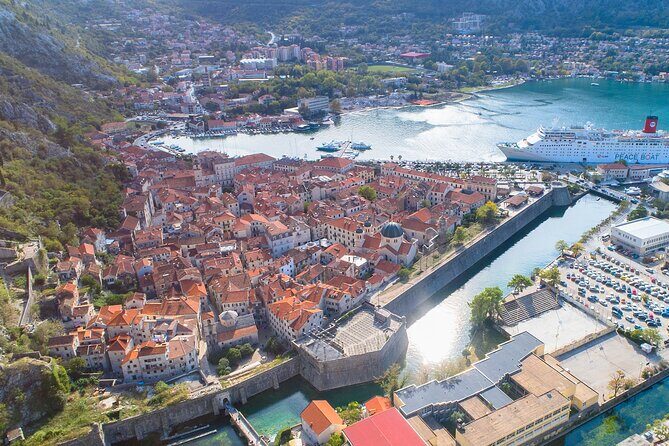
Your walking tour begins with an intro and then heads to the Square of Arms. This is one of those locations that helps everything click because it’s both historic and practical: it’s a natural meeting point inside the walls, and it’s surrounded by the kinds of buildings that hint at how Kotor worked when maritime trade ruled.
As you stroll from there, you’ll notice the stately old homes of local aristocracy. The tour doesn’t treat this like dead architecture. Instead, it frames the streets so you understand why certain places matter and how the city’s layout shaped movement.
If you like taking photos, this is a good area to stop for a moment. It’s a wide-enough pocket where you can reset your eyes after the narrower lanes.
St. Tryphon and the church stops: 12th-century to living traditions

The Cathedral of St. Tryphon is a highlight for a reason. You’ll reach it after the squares and streets, and it anchors the tour’s historical timeline with a landmark that’s been standing since the 12th century.
After that, you’ll move into the spiritual and community side of Kotor through orthodox churches: St. Nicolas and St. Luke. These stops are valuable because they’re not just sightseeing checkboxes. They give you context for how the city’s identity shows up in everyday places, not only in monuments.
One thing I appreciate about this style of walk is the pacing around these buildings. You get enough time to notice details and absorb the meaning without turning the tour into an endurance test. Then you’re back outside, continuing through the Old Town lanes.
The Maritime Museum: the sea story you can actually use
Kotor is a coastal town, but the tour treats the sea as more than a backdrop. It guides you to the square housing the Maritime Museum, and since museum admission is included, you’re not stuck wondering what you paid for when you walk in.
This stop helps in a very practical way: it gives you a framework for understanding why Kotor looked the way it did, and why the port mattered long-term. Once you have that context, you’ll “read” the rest of the city differently as you keep exploring on your own after the tour.
Even if you’re not a museum person, this one tends to work well because it’s short and tied to the streets you’ve already walked. It’s the kind of stop that turns random details into a clear narrative.
You can also read our reviews of more private tours in Kotor




How the tour runs: private group, real-time flexibility, smart pace

This is a private walking tour, so it’s only your group. That changes the whole experience. You can ask questions without worrying about holding up a large crowd, and the guide can slow down when the streets get tricky or when you want time to look at a specific building.
The duration is listed at about 1 hour 30 minutes, which is a sweet spot. You get a meaningful orientation and key landmarks, but you’re still free to keep moving afterward. Many people use it as a springboard: first the guided orientation, then dinner, then a self-guided wander.
You’ll also find the guides handle conditions. One example from what’s been shared: when ship timing was impacted by tender operations, the guide stayed flexible and rescheduled within the visit window. Another example: on hot weather days, some guides make a point to keep you in shade when possible. That flexibility is a big deal when your time is limited.
Tour language is English, and there are several tour times to fit your schedule. If you’re coordinating with a cruise port timetable or dinner reservations, that’s a real advantage.
Included vs. not included: what you’re really paying for
The price is $66.38 per person for about 90 minutes. At first glance, it sounds like a splurge, but the value picture is clearer when you look at what’s included: a professional guide, entrance fees to the Maritime Museum, and an admission fee tied to the experience.
Not included is gratuity.
So you’re not paying for a bare-bones walk with vague explanations. You’re paying for guide time plus museum entry. If you plan to visit the museum anyway, this tour can be a cleaner deal than piecing it together yourself, especially because it’s private and you’re guided to the right spots in a logical order.
Who this private Kotor walk is best for
I’d book this if you fit one of these profiles:
- First-timers in Kotor who want the highlights inside the walls without overcommitting time
- Cruise port visitors who need a plan that works even when arrival times get chaotic
- Small groups and families who want control over pace and space on narrow streets
- Anyone who likes a guide who answers questions and gives practical directions for what comes next
It may be less ideal if you’re hoping for a long, strenuous fortress climb or a full-day deep dive into everything Kotor offers. This is built for orientation and key sights, not an all-day hiking program.
Quick tips to make your walk smoother
Bring water and plan for uneven pavement. Wear shoes with grip. If you’re sensitive to sun or rain, dress in layers so you can adjust during short weather swings.
Also, plan for cash on hand for small purchases. Some vendors in the Old Town may not take cards, so having a little backup makes your day easier.
Finally, arrive a couple minutes early. With private tours, small timing issues can snowball if you’re rushing.
Should you book the Private Kotor Walking Tour?
If you want an efficient, story-driven introduction to Kotor’s UNESCO Old Town, this is a strong yes. The included Maritime Museum stop adds substance, and the private format keeps the experience comfortable and question-friendly. Add in the fact that guides like Djuka, Ivan, Nikola, Bruna, and Jelena are repeatedly highlighted for making the walk feel personal and well-paced, and you’re looking at an experience designed to work even when your schedule is tight.
I’d say book it when you value orientation, practical context, and a smooth start to your time in Kotor. Skip it only if you’re trying to fill an all-day plan or you already feel you know the Old Town so well you don’t need a guided spine.