REVIEW · DUBROVNIK
Montenegro & Bosnia 2 Countries in 1 Day Tour from Dubrovnik
Book on GetYourGuide →Operated by Ragusa Tours · Bookable on GetYourGuide
That border-hopping feeling is the point. You’ll spend one long day moving between Bosnia and Montenegro, with big scenery and two historic coastal towns that feel surprisingly different. I love how the day isn’t just sightseeing-by-photo; it includes time to understand local religion and old-city layout in Trebinje, then shifts gears to the dramatic Bay of Kotor and Venetian-tinged Kotor. I also like the small-group setup, where your guide can adjust the pace without herding everyone along. One drawback: it’s a packed 12 hours, so if you want slow travel and long lunch breaks, this format may feel a bit tight.
The Trebinje-to-Coast rhythm works well. You start inland in Herzegovina, then trade river-valley streets and Orthodox viewpoints for ship-anchored bays, island views, and narrow old-city lanes. This is a true private tour model, meaning you’re not sharing the day with random strangers.
A few practical notes: bring your passport, wear shoes for uneven old streets, and know this isn’t suitable for wheelchair users. Also, lunch is optional in Kotor, and any boat ride to Our Lady of the Rocks is extra.
In This Review
- Key highlights worth circling
- Why this Bosnia-and-Montenegro combo makes sense from Dubrovnik
- Trebinje: Orthodox viewpoints, Ottoman lanes, and a real local market
- Hercegovačka Gračanica hill gives you the overview first
- Old Town Trebinje: shaded 19th-century alleys and a layered wall
- Farmers’ Market time is where culture shows up
- A practical note for your expectations
- The Bay of Kotor drive: photo stops that actually earn their place
- Perast: short visit, big scenery, and the Our Lady of the Rocks option
- The boat ride is optional, and that’s a good thing
- Watch the time here
- Kotor Old City: what to see in two hours without getting stuck
- Build your mini-game: pick 2 to 3 priorities
- Expect congestion inside the walls
- Lunch is optional, so plan the kind of pause you want
- Private tour pacing: what you gain with a small group
- The biggest quality driver: your guide
- Price and value: where the day earns its cost
- Who should book this tour (and who should skip it)
- Should you book this Montenegro and Bosnia day trip?
- FAQ
- Is passport required for this tour?
- How long is the tour, and what are the main stops?
- Is the tour private?
- Can I visit Our Lady of the Rocks during the day?
- How much walking should I expect?
- Is this tour suitable for wheelchair users?
Key highlights worth circling
- Trebinje Old Town + Hercegovačka Gračanica viewpoint in a tight, well-paced stop
- Bay of Kotor scenic drive with built-in photo stops like Verige
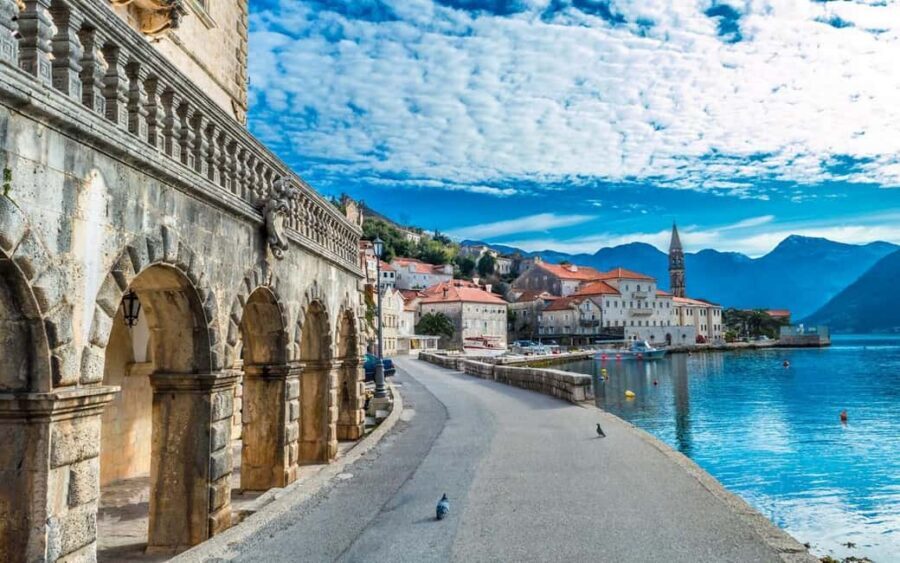
- Perast’s postcard view with Saint George and Our Lady of the Rocks right in front
- Kotor Old City time-budgeted right, with options like St Triphon Cathedral and Saint John’s Fort
- Private group size (up to 4 participants on this tour type), so you can move as a team
- Guide energy matters, and the best experiences reported revolve around flexible, animated guiding
Why this Bosnia-and-Montenegro combo makes sense from Dubrovnik

From Dubrovnik, this trip is built for one thing: squeezing two countries into one day without losing your mind in transit. The starting idea is simple. You leave Croatia’s coast and head into Herzegovina for Trebinje, then continue into Montenegro for the Bay of Kotor’s top sights—Perast and Kotor—before returning to Dubrovnik.
What I like about this style is the contrast. Trebinje gives you a quieter, inland feel: shaded alleys, riverfront mood, and religious landmarks that explain how people actually live. Montenegro, on the other hand, is all geometry and water—the curve of the bay, island silhouettes, and a walled old city with lanes that funnel you from square to church to lookout.
Also, you’re not stuck on one location. You get land and coast, Orthodox and Venetian-era influences, Ottoman-era urban textures, and seaside towns that still feel tied to their harbor history.
A few more Dubrovnik tours and experiences worth a look
Trebinje: Orthodox viewpoints, Ottoman lanes, and a real local market
Trebinje is where the day starts to feel like more than “a quick stop.” You’ll have about 100 minutes here, which sounds short until you see what’s packed into that window. The focus is on understanding the city’s layers: Orthodox faith, old-town street patterns, and the mix of cultures that shaped Herzegovina.
Hercegovačka Gračanica hill gives you the overview first
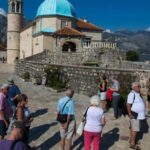
You visit Hercegovačka Gračanica and have the option to climb up the hill for panoramic views over the Trebinje area. From there, you can look across the Friar’s field, the Trebišnjica River, and toward Leotar mountain in the back. Even if you don’t climb all the way, the point is the same: you see how the city sits in its valley, not just as a postcard.
This stop also frames the religious context. You learn about Easter Orthodox religion and visit the Eastern Orthodox Church of Holy Announciation. It’s not the kind of history lesson that drags; it helps you read what you’re looking at next in the old town.
Old Town Trebinje: shaded 19th-century alleys and a layered wall
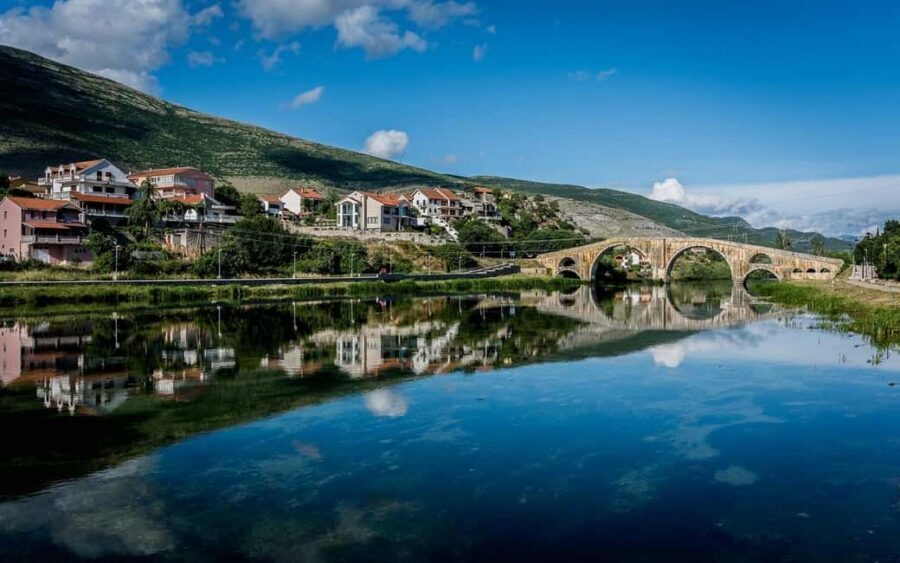
After the viewpoint, the pace shifts to walking. You explore Trebinje Old Town with its 19th-century Austrian alleys and squares under the shade of great plane trees. That detail matters. Shade turns a hot day into an enjoyable walk, and it also changes the feel of the city—slower, more human.
Then you move to a 17th-century Ottoman Turkish walled part of town. You enter through an auxiliary town gate and reach the riverfront by the Trebišnjica River. You’ll get explanations of how the city grew over centuries and what daily life traditions look like here.
Farmers’ Market time is where culture shows up
There’s also time to check out the colorful farmers’ market. Even if you don’t buy anything, you’ll feel the local rhythm. It’s the kind of stop that makes you understand Trebinje as a working town, not just a sightseeing target.
A practical note for your expectations
This is a fast-moving visit, so go with the mindset of sampling rather than mastering. If you want to linger with coffee in the market lanes, you might feel the time pressure. But if you like your days structured and guided, this Trebinje block is a strong start.
The Bay of Kotor drive: photo stops that actually earn their place
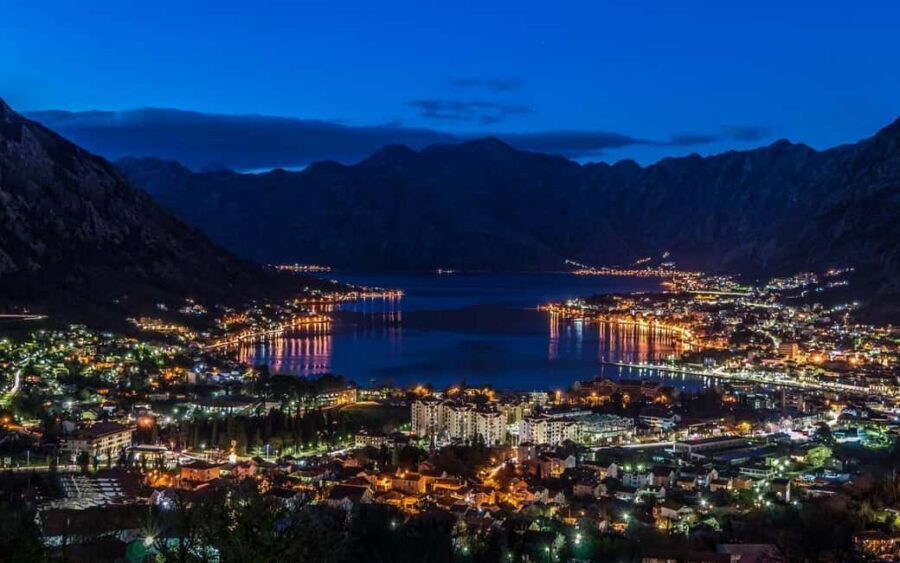
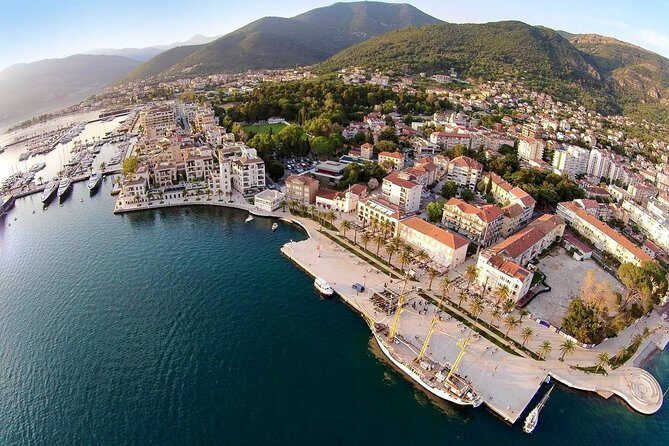
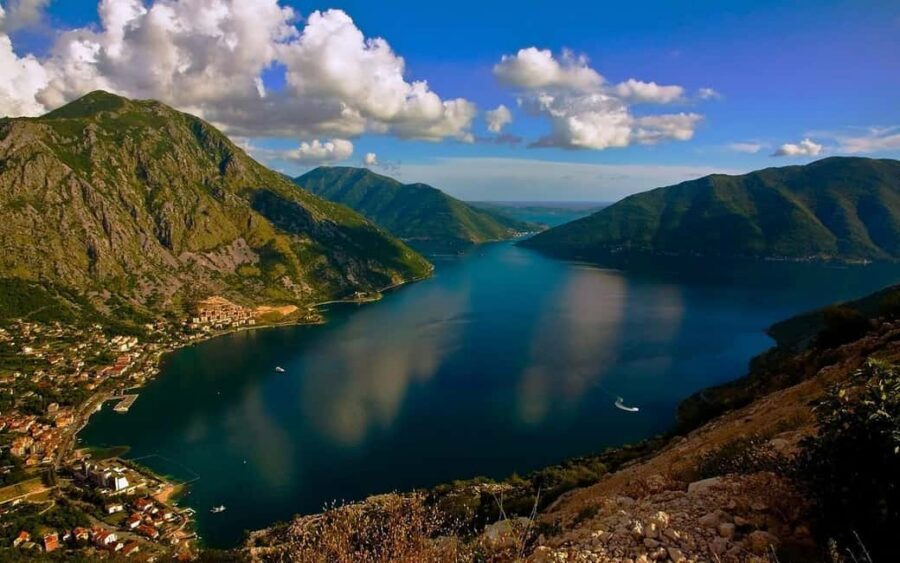
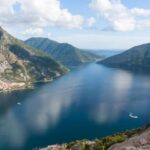
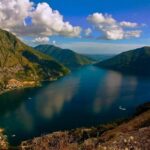
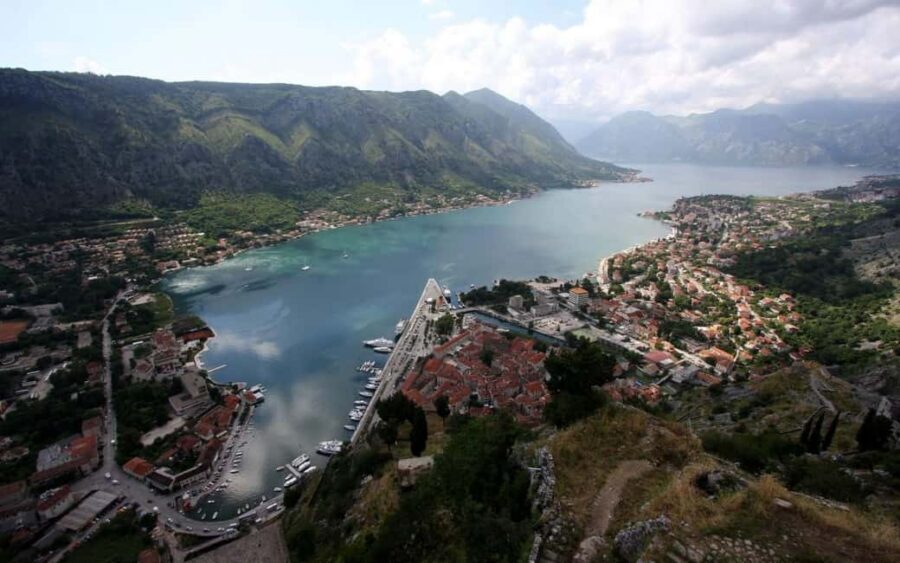
Once the day turns toward Montenegro, you’ll pass along the Bay of Kotor with a scenic drive that doesn’t waste time. You’ll go by villages including Bijela, Kamenari, Verige (as a photo-stop), Morinj, and Risan before reaching Perast.
This matters because the bay is the star of the coast. You don’t just arrive and sprint into town—you get a moving view of the coastline’s shape. That’s helpful for orientation too. By the time you reach Perast and Kotor, you already understand where everything sits relative to the water.
The guide also shares background on Montenegro—culture, people, customs, food, and wine. Again, not a lecture. It’s context that makes the stops feel connected instead of random.
Perast: short visit, big scenery, and the Our Lady of the Rocks option
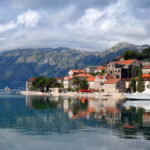
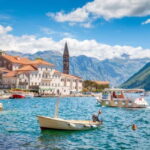
Perast is given about one hour, which is enough to experience its main vibe: compact town energy, clear harbor views, and that dramatic bayfront perspective.
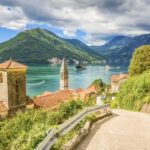
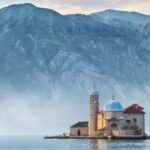
You’ll start with a short photo-stop in Perast, then enjoy the scenery of Kotor Bay with islands of Saint George and Our Lady of the Rocks in front. Even from the shore, this feels like a set designed for postcards, but it doesn’t feel fake when you see the scale of the water and the tightness of the bay.
The boat ride is optional, and that’s a good thing
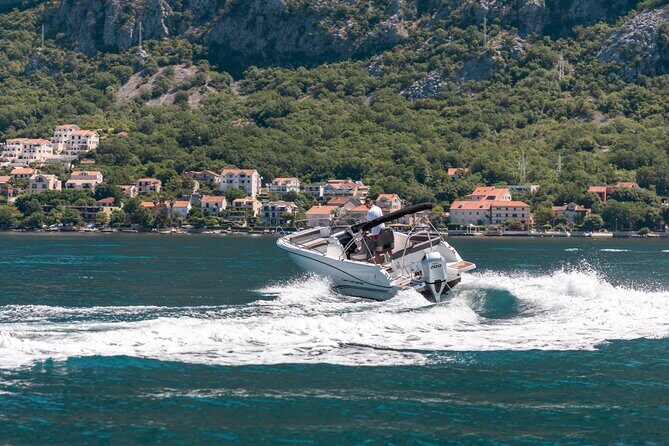
There’s a private boat option you can hire for an extra charge. The ride is short—about a one-mile drive to the island—plus a visit to the church and museum on Our Lady of the Rocks.
If you like water views more than walking through shops, I’d seriously consider it. But if you’re tired from the day or you prefer sticking with the plan, you can still get plenty out of the bayfront time without paying extra.
Watch the time here
Perast is short on purpose. If you spend too long taking photos, you can feel rushed later in Kotor. The upside is you won’t get bored. Perast is basically a scenic exhale before the larger, more crowded old-city moment.
Kotor Old City: what to see in two hours without getting stuck
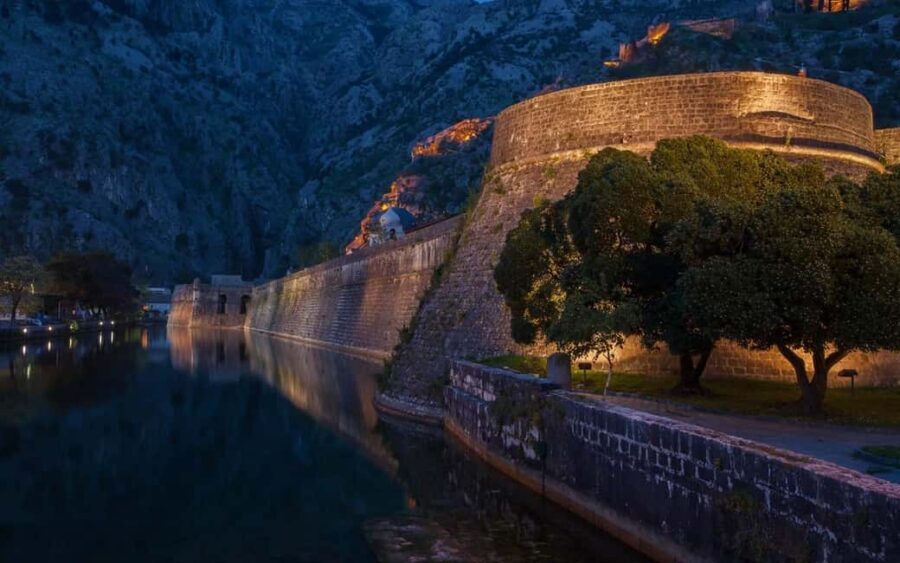
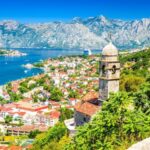
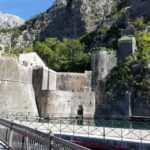
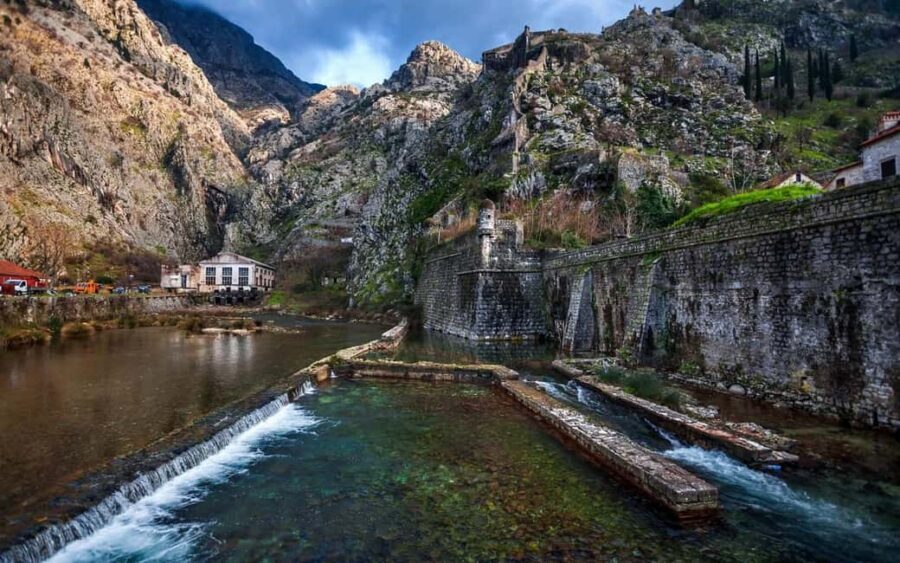
Kotor is the big payoff on this route, with about two hours inside the old city. It’s one of those places that feels like Dubrovnik’s smaller cousin: walls, stone lanes, and sunny squares—but with its own rhythm.
You’ll learn a bit of context first: Kotor was once an independent city-state and later came under Venetian influence from the 14th century. That helps explain why you’ll see different architectural touches in the mix of churches and city structure.
Build your mini-game: pick 2 to 3 priorities
With limited time, I suggest you choose the sights you want rather than trying to see everything.
The tour highlights include:
- Romanesque Cathedral of Saint Triphon
- Maritime Museum of Kotor
- Saint Nicolas Serbian Orthodox Church
If you’re up for a workout (and you like viewpoints), there’s also the possible climb to Saint John’s Fort above the city, around 750 ft altitude. This is the kind of choice that can make your day feel like a story instead of a checklist. If the weather is hot, decide early and let your guide know.
Expect congestion inside the walls
Kotor can be busy. You should be ready for traffic and pedestrian congestion within the city walls. That’s not a reason to avoid it—it’s just a reason to keep your expectations flexible. If you get delayed, your guide can usually help you adjust which streets to prioritize.
Lunch is optional, so plan the kind of pause you want
There’s time for lunch, but it’s optional. If you want a sit-down meal, build it around the lunch window your guide offers. If you’d rather keep moving, grab something quick near your walking route and save your time for the fort or the church stops.
Private tour pacing: what you gain with a small group
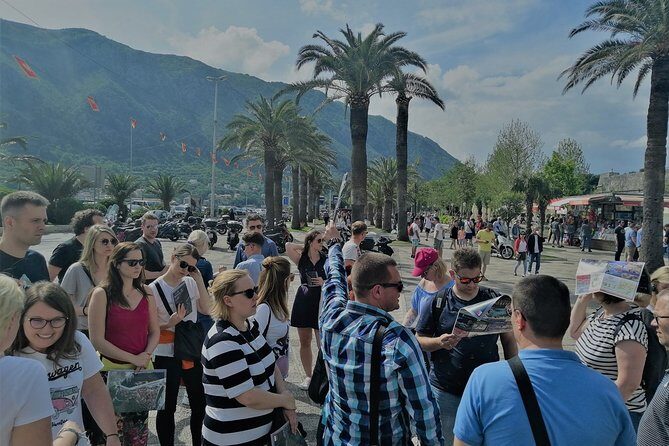
This is a private tour setup, with the tour described as limited to a small group (and the broader maximum size stated is up to 8 travelers). In practice, that means you’re not sharing the day with a crowd that forces stop-and-go group management.
Hotel pickup and drop-off are included, so you don’t have to wrestle with finding meeting points in an unfamiliar border-crossing day. You also have a live English-speaking guide, which helps a lot when you’re moving between towns with different architectural cues and religious references.
The biggest quality driver: your guide
From the experiences shared, the strongest days revolve around guides who bring energy and flexibility. Ivan (Ivan Kekez is named in one experience) gets praised for professionalism, personality, and pacing that keeps the day memorable. Another guide named Daf is also mentioned as knowledgeable and helpful.
At the same time, one negative experience raises concerns about attitude, photo-taking, and even driving style and safety on the return. That’s the sort of thing you should take seriously.
If you book, I’d do a simple checklist in advance:
- confirm your pickup timing clearly
- ask about whether water is included or if you should bring your own
- tell your guide you prefer calm, safe driving and plan-based timing
You’re hiring a day-trip partner, not just a driver. The best guides handle the day like a shared mission.
Price and value: where the day earns its cost
No price is provided here, so I’ll talk value instead of numbers. This tour is priced for efficiency: you’re paying for a long guided day, cross-border transport from Dubrovnik, and structured time in three key places.
Here’s where the value lands for most people:
- You visit two countries in one day without having to plan route logistics yourself.
- You get guided context in Trebinje (religion + city growth) and in Montenegro (bay + culture + customs).
- You have built-in scenic driving in the Bay of Kotor, not just arrival snaps.
- You get options, like the Our Lady of the Rocks boat ride and the Saint John’s Fort climb, so you can match your energy level.
Where value can feel lower:
- The boat ride costs extra.
- Lunch is optional and is typically on you.
- It’s a short schedule per stop, so if you want to deeply explore one city, you may feel the time squeeze.
For my taste, this is best value for people who like variety and can handle a full day outdoors with frequent walking.
Who should book this tour (and who should skip it)
I think this tour fits best if you:
- want to see Trebinje, Perast, and Kotor without planning a multi-day itinerary
- enjoy guided context and want help reading what you’re looking at
- like scenery as much as museums
- prefer a small private day over large group chaos
I’d skip or reconsider if you:
- hate long travel days with limited free time in each stop
- need full accessibility support (it’s not suitable for wheelchair users)
- want a slow, lingering trip with long meals
Also, bring realistic expectations. This is not a relaxed wander. It’s a well-packed day designed to maximize “I saw it” moments and “I understand it” moments.
Should you book this Montenegro and Bosnia day trip?
I’d book it if your goal is a high-impact day that connects inland Herzegovina culture with Montenegro’s bay scenery. Trebinje gives you a strong start with the Hercegovačka Gračanica viewpoint and old-town layers, and Kotor is the payoff if you’re willing to handle crowds inside the walls.
Before you go, do one thing: decide what you’re prioritizing in Kotor. Cathedral + a church is an easy win. If you want the fort view, tell your guide early so the timing works for your energy level. And if you’re sensitive to driving style, mention your comfort level right away.
If you want a single day that feels like two countries’ worth of highlights, this is a solid bet. If you’re craving a slow vacation pace, you’ll probably feel the rush.
FAQ
Is passport required for this tour?
Yes. You should bring your passport for this experience.
How long is the tour, and what are the main stops?
The tour lasts 12 hours. The main stops are Trebinje (about 100 minutes), Perast (about 1 hour), and Kotor (about 2 hours), with hotel pickup and drop-off from Dubrovnik.
Is the tour private?
It’s described as a private tour, and the small group is limited to a maximum of 4 participants on this private day-trip model.
Can I visit Our Lady of the Rocks during the day?
Yes, there’s an opportunity to visit Our Lady of the Rocks. A private boat ride to the island and a visit to its church and museum is available for an extra charge.
How much walking should I expect?
You should expect walking in old-town areas, including shaded lanes in Trebinje and narrow streets in Kotor. You may also have the option to climb Saint John’s Fort above Kotor.
Is this tour suitable for wheelchair users?
No, it is not suitable for wheelchair users.