REVIEW · BUDVA
Cetinje City Tour
Book on Viator →Operated by Monte Mare Travel · Bookable on Viator
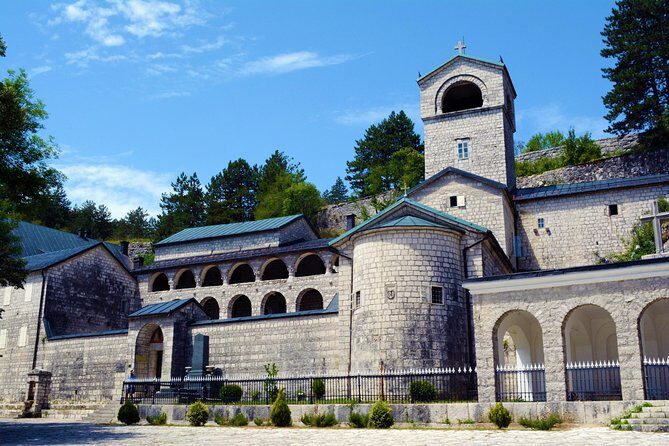
Cetinje packs centuries into one short walk. In Montenegro’s old royal and cultural center, the city feels like it’s staged under Lovćen, with views and architecture that make the past easy to picture. I love how the tour starts at Cetinje Monastery and moves you right into the stories around Biljarda and Montenegro’s former power centers.
The only catch is that some museum tickets aren’t included, so you may pay a bit more on the spot for the indoor stops. The tour also depends on good weather, so rain can change the feel of the walk.
In This Review
- Key highlights worth knowing
- Cetinje in one hour: what you get for $115.50
- Meeting point and timing: starting in Cetinje Municipality
- Stop 1: St. Peter of Cetinje Monastery and Ćipuri church
- Stop 2: Njegoš Museum Biljarda and Petar II’s residence
- Stop 3: King Nikola’s Museum in the 1867 building
- Stop 4: Presidential Palace area, Royal Theater Zeta House, and Ivan Crnojević
- Walking under Lovćen: how to make the most of the small-city layout
- Price and practical value: what’s included vs. what you may pay
- Who this tour fits best (and who should skip it)
- Should you book this Cetinje City Tour?
- FAQ
- How long is the Cetinje City Tour?
- Where does the tour start and end?
- Is this tour private?
- What’s included in the price?
- Are entrance fees included for all stops?
- Do I need to arrange transfer from my hotel?
- What if the weather is bad?
Key highlights worth knowing
- A focused one-hour circuit around Cetinje’s most important religious and royal landmarks
- Cetinje Monastery plus Ćipuri church, with free admission at the start
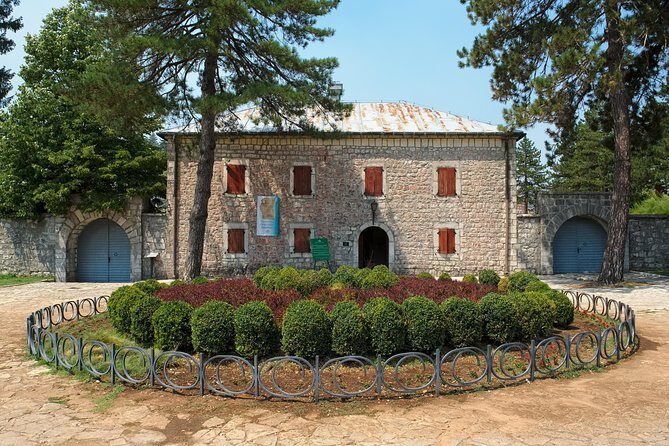
- Biljarda (Petar II Petrović Njegoš’s residence) gives context to the poet-ruler behind the monuments
- King Nikola’s Museum in a 1867 building helps you understand diplomacy in a small town
- Presidential Palace area, Royal Theater Zeta House, and the Ivan Crnojević monument round out the “old capital” picture
- Licensed English guide + private group for a more personal pace (and a mobile ticket)
Cetinje in one hour: what you get for $115.50
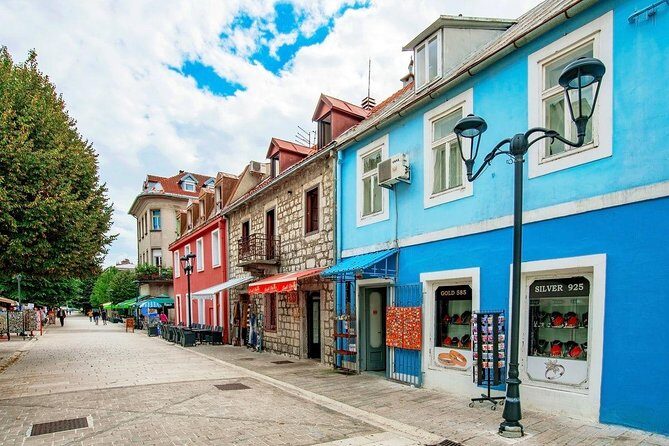
At $115.50 per person, this isn’t a bargain stroll. It is a guided “hit list” tour built for people who want the main Cetinje landmarks without spending the day figuring out what matters.
What you’re paying for is the structure: a licensed English guide, a timed route, and the tourist tax included in the price. You also get a mobile ticket and group discounts, which can make it feel more reasonable if you’re booking as a group.
What you should not assume is that every single building visit is covered. Two major indoor stops—Biljarda and King Nikola’s Museum—are marked as admission not included. The monastery and the open-air parts are free. So your best value comes when you’re the type of traveler who’s happy to pay small, targeted entrance fees to get the real story behind each place.
You can also read our reviews of more city tours in Budva
Meeting point and timing: starting in Cetinje Municipality
You meet at Cetinje Municipality in Cetinje and the tour returns you to the same point at the end. The total time is about one hour, so expect short entries and quick transitions rather than long museum marathons.
It runs Monday through Saturday with a broad daily window listed for the experience, and you receive confirmation after booking. The pace is designed to keep you moving but not rushed—think “walk, look, listen” rather than “run between stops.”
One practical point: transfer is not included. So you’ll need to arrange how you get to Cetinje from where you’re staying (Budva, most likely). If you’re already near Cetinje or can easily reach the meeting area, this tour feels effortless. If not, transport becomes the biggest variable.
Stop 1: St. Peter of Cetinje Monastery and Ćipuri church
The tour opens at St. Peter of Cetinje, centered on Cetinje Monastery. This is the town’s religious anchor, built in 1701 and dedicated to the birth of the Virgin. If you only visit one site in Cetinje, make it this one, because it sets the tone for everything else you’ll see.
Right after that, you get a look at Ćipuri church. This is a quick stop, but it matters: the tour isn’t just about buildings, it’s about how the faith and the ruling culture shaped each other in the old capital.
Admission here is free, which is a nice relief early on. One thing to plan for: monastery sites often have rules around dress and behavior. Wear something that won’t force you into awkward last-minute covering, and keep your phone use respectful when you’re inside.
This is also where you’ll usually start to understand why Cetinje is often described as a city-museum. The setting makes it feel like the past is still standing in place.
Stop 2: Njegoš Museum Biljarda and Petar II’s residence
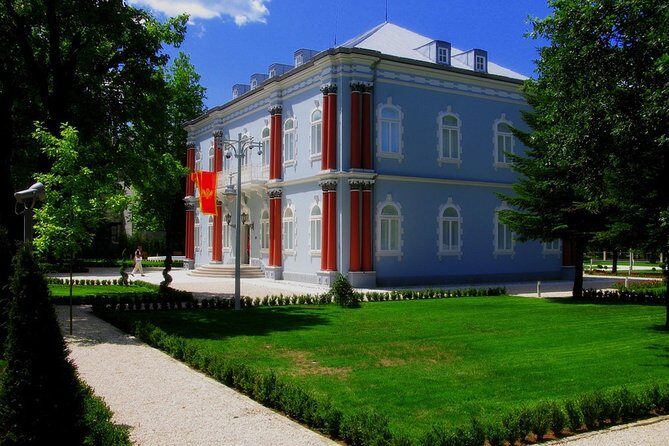
Next comes Njegoš Museum Biljarda, the former residence of Petar II Petrović Njegoš. Even if you don’t know his name yet, you’ll feel the significance once you’re standing where a key ruler and thinker lived.
Biljarda is one of those stops that helps your brain connect dots. You’re not just seeing a pretty building. You’re seeing a physical reminder of how leadership, culture, and national identity were tightly linked in Cetinje.
The time here is short, about 10 minutes, and admission is not included. That means two things for you:
1) budget a little extra if you plan to enter fully, and
2) don’t treat this as optional if you care about understanding Montenegro’s royal period.
A practical tip: if you’re sensitive about interior rules like photography limits, keep your expectations flexible. Some heritage sites restrict photos inside, even when the exterior is easy to photograph. Best move is to ask your guide what’s allowed before you start shooting.
Stop 3: King Nikola’s Museum in the 1867 building
After Biljarda, you move to King Nikola’s Museum, housed in a building dating to 1867. This stop is valuable because it shifts the story from religious and royal life to diplomacy and international relationships.
During the reign of King Nikola, Cetinje became known for hosting embassies from different countries, which shaped the city’s look and feel. Even though Cetinje is small, the museum angle helps explain why it looks and feels a bit “international” compared with a typical mountain town.
This stop is also about 10 minutes, with admission not included. If you like museums but hate paying separately, this is the part where you’ll feel the added cost. Still, the trade-off is that you’ll leave with a clearer idea of what was going on in Montenegro in the 19th century—especially when it came to politics and external relations.
If you’re a visual learner, this is a strong stop. Museum settings tend to do a better job of turning dates and names into something you can grasp quickly.

Stop 4: Presidential Palace area, Royal Theater Zeta House, and Ivan Crnojević
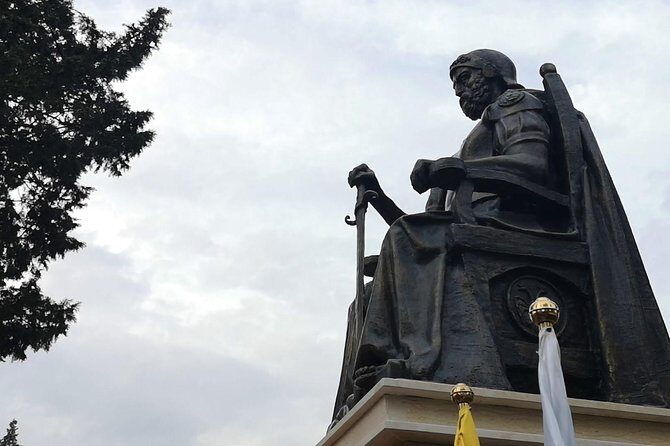
The tour then expands into the open, Civic Cetinje stretch. You’ll see the Presidential Palace, visit the Royal Theater Zeta House, and stop at the monument of Ivan Crnojević, a ruler associated with the founding story of Cetinje.
This part works because it’s not hidden behind walls. You get the urban rhythm: straight enough streets to orient yourself, and enough architectural detail to make you look twice.
You’ll also take a walk along the main street, which is where Cetinje’s identity shows up. The city sits in a valley surrounded by mountains, and the walk gives you that “old capital” mood without needing extra tickets.
Admission for the open-air parts is free, and the tour ends back at the meeting point. If you’re short on time, this makes the overall package feel smoother: the paid parts are concentrated, while the final segment lets you enjoy the setting.
Walking under Lovćen: how to make the most of the small-city layout
Cetinje can feel calm and compact. In a good way. Distances are short enough that you won’t feel like you’re spending the whole hour relocating, yet you still get meaningful “landmark moments” rather than only street-level scenery.
The biggest factor is weather. The experience requires good weather, and rain can reduce the enjoyment of a promenade-style stroll. If you’re visiting in shoulder season or when showers are common, bring a light layer and expect that the mood will shift if the streets are wet.
Here’s how I’d plan your mindset: treat the tour as a guided orientation. Use it to learn what Cetinje is, then decide if you want to return on your own for longer museum time later. Because the route is short, you can still spend the rest of your day soaking up Montenegro at your own pace.
Price and practical value: what’s included vs. what you may pay
Here’s the value picture in plain terms.
Included:
- Licensed tourist guide in English
- Tourist tax
- A mobile ticket
- Free admission for the monastery stop and the open-air Cetinje segment
Not included:
- Entrance fees for Biljarda and King Nikola’s Museum
- Transfer from your accommodation to Cetinje
- Food and drink during the tour
- Optional travel health insurance
So is $115.50 worth it? For me, it makes sense if you fall into one of these groups:
- You only have a short window in Montenegro and want the core sites in a controlled time frame.
- You’d rather pay for a guide to connect history and architecture than spend your day trying to self-navigate.
- You’re happy to add a couple paid museum entries to complete the story.
If you’re traveling with a flexible schedule, very museum-averse, or you’re also paying separate transport to get to Cetinje, you may feel the price more strongly. In that case, consider mixing self-guided time with only the stops that truly matter to you.
Who this tour fits best (and who should skip it)
This works best if you want an efficient overview of Cetinje: monastery, royal residences, and key monuments tied to Montenegro’s former capital identity.
You’ll likely enjoy it if:
- you like guided explanations that make names like Petar II Petrović Njegoš and King Nikola click into place
- you want a manageable, one-hour plan in a small city setting
- you prefer a private tour so you can ask questions at your own speed
You may want to skip or adjust if:
- you don’t want to pay any extra entrance fees for museums
- your schedule is fragile and poor weather is likely
- you’re hoping for a longer, deeper museum day. This is timed sightseeing, not an all-day culture marathon.
Should you book this Cetinje City Tour?
If you’re choosing between doing nothing and doing Cetinje right, I’d book. The tour structure is smart for people with limited time. You start with Cetinje Monastery, get the cultural context through Biljarda, understand the diplomatic angle in King Nikola’s Museum, and finish with the civic royal sites and a walk along the main street.
My only hesitation is the pricing logic if you arrive with no flexibility and you’re not interested in indoor museum visits. Also keep weather in mind. When the day is clear, Cetinje feels like a calm open-air museum. When it rains, you’ll still see the landmarks, but the stroll part won’t feel as special.
If you can handle two extra museum admissions and you’re willing to travel to the meeting point on your own, this is a strong one-hour way to get your bearings in Montenegro’s former capital.
FAQ
How long is the Cetinje City Tour?
The tour lasts about 1 hour.
Where does the tour start and end?
It starts at Cetinje Municipality, Montenegro and ends back at the same meeting point.
Is this tour private?
Yes. It’s a private tour/activity, meaning only your group participates.
What’s included in the price?
The price includes a licensed tourist guide in English and tourist tax. You also receive a mobile ticket.
Are entrance fees included for all stops?
No. Cetinje Monastery and the open-air parts of Cetinje are free. Biljarda and King Nikola’s Museum have admission fees that are not included.
Do I need to arrange transfer from my hotel?
Yes. Transfer from your accommodation to Cetinje is not included.
What if the weather is bad?
The experience requires good weather. If it’s canceled due to poor weather, you’ll be offered a different date or a full refund.